Petralona (as text)
Exploring Ano Petralona was a unique adventure compared to what I had experienced throughout the rest of Athens. The town was comprised primarily of houses and apartments, typical shops one might expect to find in a residential area, and many nice restaurants. The architecture appeared to be styled in the 1980's. It seemed like Petralona is chiefly a residential area- there were no obvious tourists or signs of tourist attractions, apart from the great restaurants scattered about. As far as demographics go, we only saw a small handful of young adults/teens our age. It seemed like most of the people living there were middle aged or older: people who likely chose to live in the area due to it being a calm and quiet area to live. If I had to guess, I would presume that this area has always been similar to its current condition: a fairly typical, quaint residential neighborhood without a lot of tourist action. I imagine this neighborhood will continue in its current condition and probably won't see much extreme growth due to its lack of major attractions.
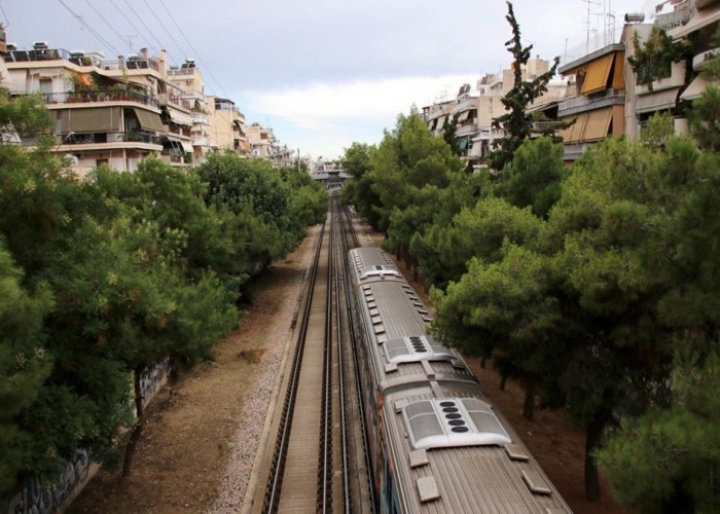
Though it seems fairly mundane, Petralona actually struck me as much different than all the other areas I had come across in Athens. Most cities in Athens seem to either have a lot going on or have some ancient history and artifacts to draw people to the area. Petralona had no obvious ancient attractions on display in order to increase tourism, and this could very well be intentionally. Perhaps they don't want any travelers cluttering up the street and breaching the peaceful bliss that they value dearly.

There were two significant "secret treasures" that we found while exploring the town: Kosmogonia and a small theater called Zefyros. When we arrived at Mercouri square, we were surprised how small and lifeless it seemed, until we heard chatting and noticed we were surrounded by a variety of different restaurants. So, we chose a direction to go at random and stopped by the first restaurant we noticed. To our luck, we ended up at great little place called Kosmogonia, where they sell gyros and a few other quick and easy food items. If you're in the area and you're looking for a quick and delicious bite to eat, I would highly recommend visiting Kosmogonia. The other treasure we found in Petralona was the intriguing little cinema called Zefyros. This movie theatre might not look like much from the outside, but inside the doors is hidden a gorgeous outside, open-air theater that looks quite inviting.


One of the most interesting things about Petralona took place when we attempted to find people to talk to and ask questions about the neighborhood. We must have went up to seven different people to talk to them, from shopkeepers to restaurant owners to passerby's, but they all spoke barely enough English to tell us that they didn't speak English. Even the restaurant owner at Kosmogonia struggled to find enough English vocabulary to take our orders. They didn't even have a single English menu! In every other town I've been to, nearly everyone speaks enough English to communicate effectively, and the people are generally good at accommodating English-speakers. I think this says a lot about Petralona- the neighborhood is such a pure Greek neighborhood that they haven't even taken the time to adapt to things like speaking the English language. The lack of English menus and signs could be another method of warding off unwanted tourists. The cities residents seem satisfied remaining just as they have been throughout their history- Greek: just a simple, nice town to live for Greek natives.

Before adopting the name "Petralona", it was called "The Katsikidika", meaning "The Goats' Place", due to it being a place where shepherds brought their goats to wander around and sell their milk. This history of lower-class, poorer shepherds founding the neighborhood explains why it isn't well established with large, expensive attractions, as well as why it remains one of the most antiquated and charming towns in Athens.

Works Cited:
Greeking.me. “A Local's Guide to Petralona.” Greeking.me, greeking.me/blog/visiting-athens/item/152-a-local-s-quide-to-petralona.
“Petralona | Neighbourhoods of Athens - Travel to Athens, Greece.” Travel to Athens, www.traveltoathens.eu/loc/petralona/.
“Petralona.” Greece, www.greece.com/destinations/Attica/Athens/City_quarter/Petralona.html.


Comments
Post a Comment